Untreated squint in children can affect normal vision development and may lead to lazy eye. Early diagnosis and appropriate treatment can help protect vision and support healthy eye development.
Yes, untreated squint in children can lead to problems with the development of vision, especially in the first few years when the eyes are developing. A squint is also called strabismus. It happens where the eyes fail to align and may point in various directions. It will pose a problem with the development of vision where there is no proper treatment.
It should be noted that this should be attended to even if it is an occasional squint.
How Does a Squint Affect Vision Development?
For clear vision using both eyes, both eyes must work together, and the eyes should send the same images to the brain. When a child has squinting, each of the eyes might be sending images from a different position. The brain of the growing child may choose to ignore the image being sent from the eye having a problem.
This causes poor vision in the affected eye. It is one of the reasons why squint and vision development are connected in the childhood
The effect of this problem on the vision of the child varies depending on various factors including the age of the child, the nature of squinting, among others.
Can an Untreated Squint Cause Lazy Eye?
One of the significant concerns associated with untreated squint in children is amblyopia, commonly called lazy eye. When the brain consistently favours one eye and receives less useful visual information from the other, vision in the weaker eye may not develop normally.
A child with amblyopia may not realise that one eye is seeing less clearly because the stronger eye can compensate during everyday activities. As a result, parents may not notice the problem without an eye examination.
The good news is that identifying the condition early can provide an opportunity to support better visual development.
What Are the Signs Parents Should Watch For?
Recognising squint symptoms in children can help parents arrange an eye assessment when needed. Signs may include:
- One eye turning inward, outward, upward or downward
- Frequently closing or covering one eye
- Tilting or turning the head while looking at objects
- Squinting when trying to focus
- Difficulty judging distances
- Complaints of double vision
- Avoiding reading or close-up activities
- Eyes appearing misaligned, particularly when the child is tired
A squint may be constant or intermittent, so an eye that appears straight most of the time does not necessarily rule out an underlying problem.
Does Every Squint Need Treatment?
Not every case has the same cause or requires the same approach. A comprehensive assessment helps determine whether treatment is necessary and what type may be appropriate.
The goals of childhood squint treatment may include improving eye alignment, supporting binocular vision and preventing or managing reduced vision in one eye.
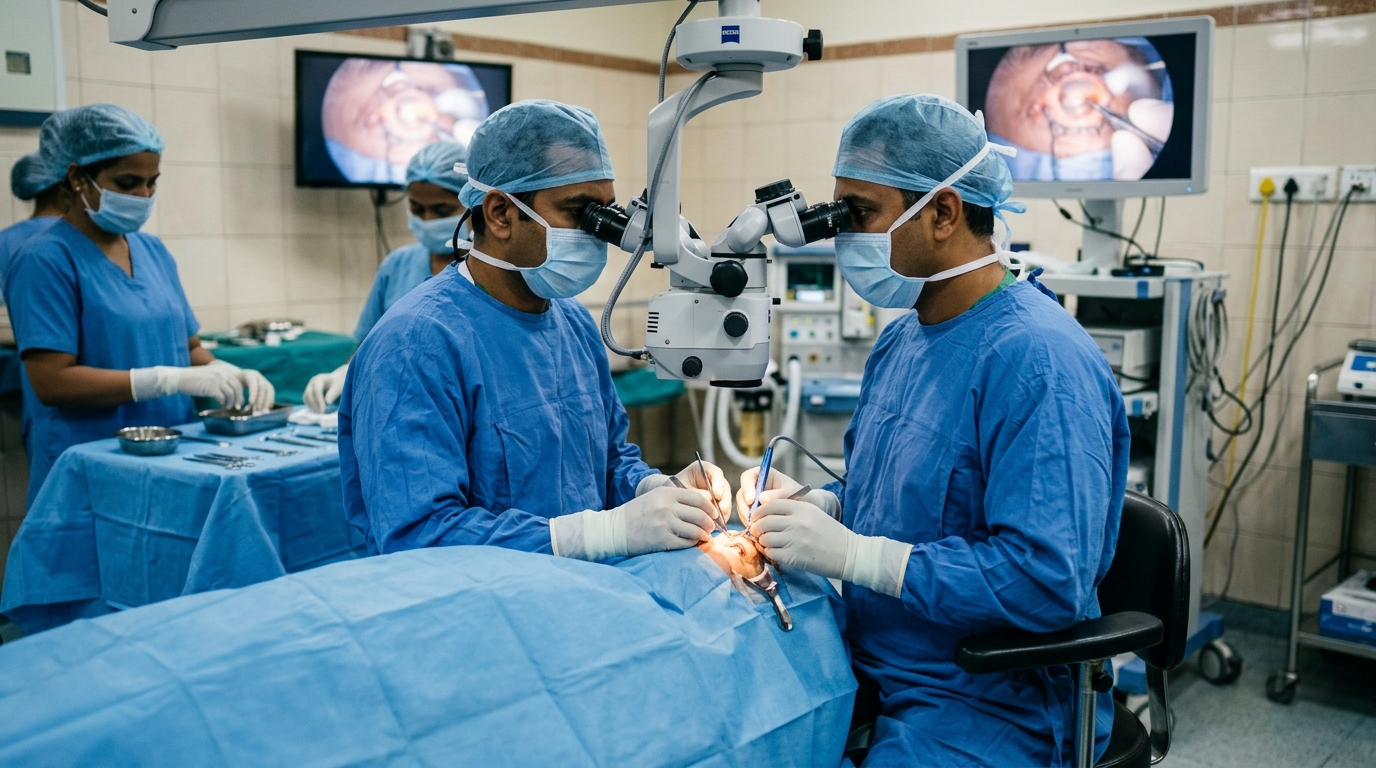
Depending on the child's condition, treatment may involve spectacles, patching, exercises or other specialist approaches. Some children may require surgery to correct the position or function of the eye muscles.
Why Is Early Squint Treatment Important?
The visual system develops rapidly during childhood. This makes timely assessment particularly valuable when an eye remains misaligned.
Early squint treatment can help address associated vision problems while the child's visual system is still developing. Delaying assessment does not necessarily mean that treatment will be impossible later, but earlier management may provide a better opportunity to support normal visual development.
Parents should therefore avoid assuming that a squint will automatically disappear as the child grows.
When Should a Child See an Eye Specialist?
A child should be assessed if parents notice persistent eye misalignment, frequent eye turning, unusual head positioning or other changes in visual behaviour.
Sudden-onset misalignment, double vision or a squint accompanied by other unusual symptoms should receive prompt medical attention.
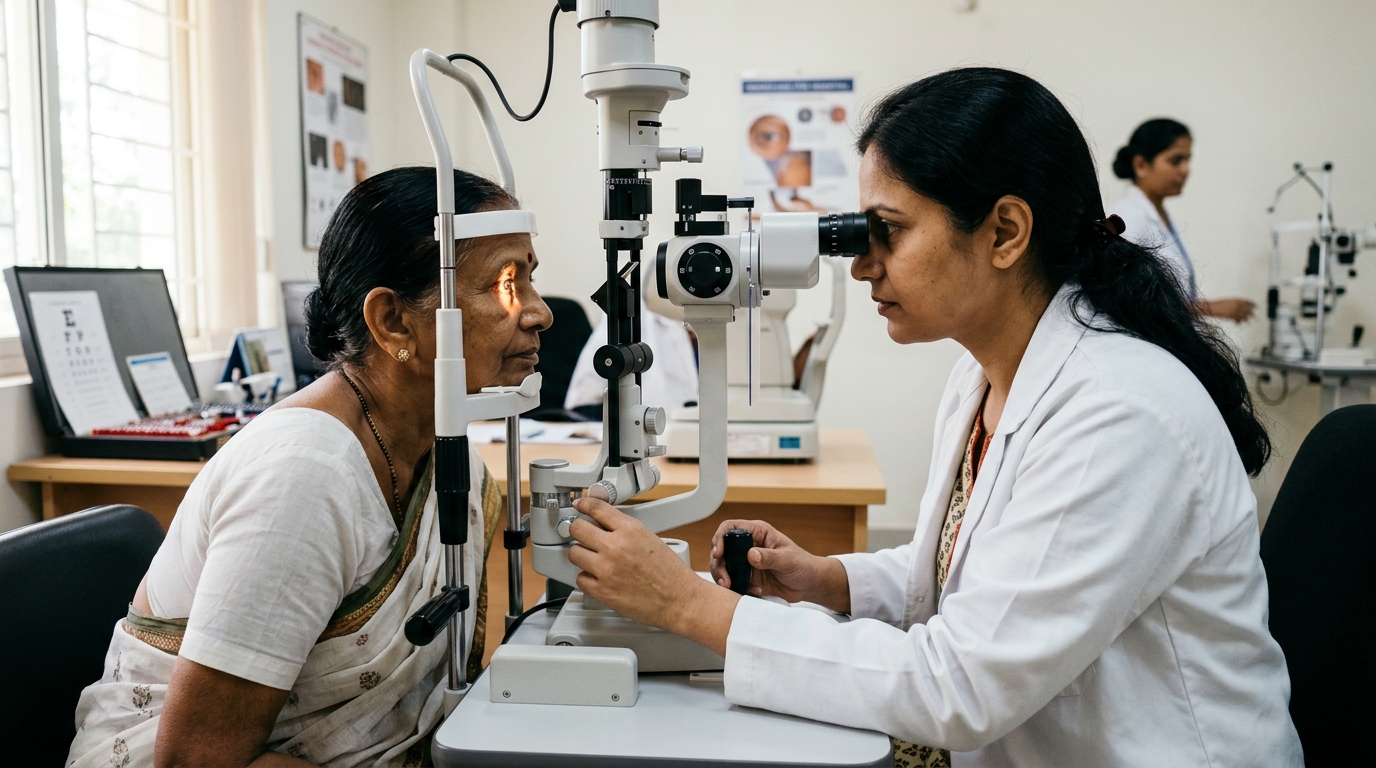
A pediatric eye specialist can evaluate eye alignment, visual acuity, focusing ability and how effectively both eyes work together. The assessment helps determine whether the child has a squint, an associated vision problem or another condition requiring attention.
Can Squint Affect a Child Beyond Visual Clarity?
Yes. Squint affecting vision can also influence depth perception and the ability to use both eyes together effectively. Some children may experience difficulty with activities that require accurate visual judgement.
There can also be an emotional impact, particularly when noticeable eye misalignment affects a child's confidence or interactions with others. Addressing the condition can therefore have benefits beyond visual function.
Support Healthy Vision With Timely Care
Untreated squint in children should not be overlooked simply because the child appears to see normally. A child can adapt to reduced vision in one eye without being able to explain what is happening.
If you notice signs of eye misalignment or have concerns about your child's visual development, schedule an appointment with Eyevista Eye Hospital. The pediatric ophthalmology and squint team can assess your child's eyes and recommend appropriate care based on their individual needs.
Experiencing Sudden Vision Changes or Eye Pain?
Symptoms like sudden curtain-like darkness, flashes of light, an explosion of floaters, or severe persistent eye pain warrant immediate attention.
Consult Dr. Ankit Shah at Eyevista
Get accurate diagnostic care with advanced ophthalmic technology at our Paldi clinic.

Dr. Ankit Shah
MBBS, DO, DNB, FICO (UK), Fellowship in Pediatric Ophthalmology & Strabismus
Dr. Ankit Shah is a renowned Pediatric Ophthalmologist and Squint Specialist at Eyevista Superspeciality Eye Hospital in Ahmedabad. With advanced fellowship training, he specializes in treating comple...
Clinical Conditions (Eyepedia)
Clinic Hours & Location
Monday – Saturday: 9:00 AM – 7:30 PM
Sunday: Closed (Emergency on call)
Paldi, Ahmedabad, Gujarat 380007