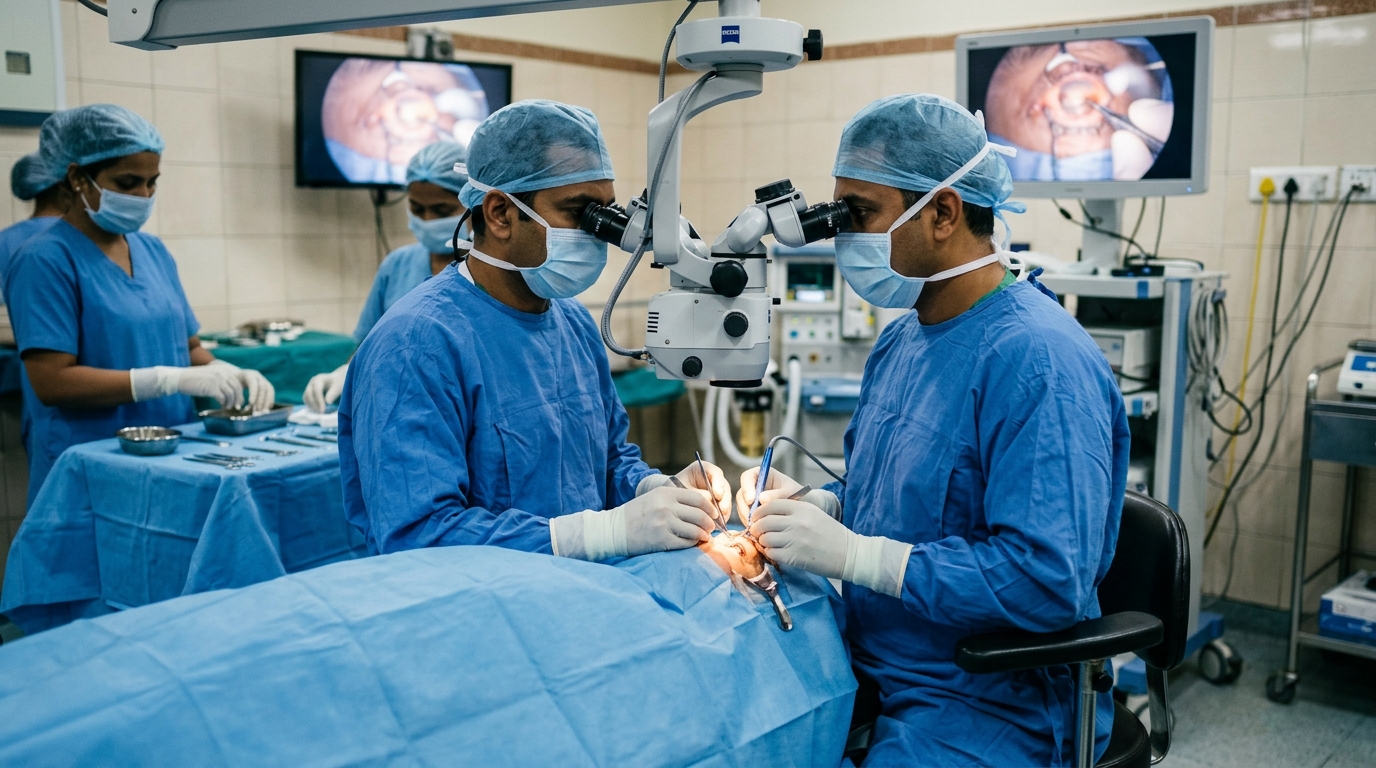
This article highlights common eye problems, warning signs that require specialist evaluation, and serious conditions such as glaucoma, cataracts, retinal detachment, and diabetic retinopathy. It explains the importance of early diagnosis and promotes Eye Vista Hospital, Ahmedabad, for specialised eye care and treatment.
Your eyes play an essential role in almost every part of daily life, from reading and working to driving and recognising familiar faces. However, many people ignore early warning signs until their vision begins to affect their routine. Understanding common eye problems and knowing when they require specialist evaluation can help protect your eyesight and prevent avoidable complications.
Some symptoms, such as mild irritation or temporary dryness, may improve with appropriate care. Others, including sudden blurry vision, severe eye pain or sudden vision loss, can indicate a serious condition that requires immediate medical attention. Therefore, recognising the difference between minor discomfort and a potentially sight-threatening problem is important.
For people seeking Advanced Eye Care in Ahmedabad, an eye specialist can assess symptoms, identify their underlying causes, and recommend appropriate treatment based on individual needs.
Understanding Common Eye Problems
Common eye problems can affect people of all ages. Some develop gradually because of age, refractive errors, or underlying health conditions, while others appear suddenly due to infection, inflammation, injury, or changes inside the eye.
Although some symptoms may seem harmless initially, persistent or recurring discomfort should not be overlooked.
Common symptoms of eye problems include:
- Blurred or fluctuating vision
- Redness, itching, or excessive watering
- Eye pain, pressure or persistent discomfort
- Sensitivity to light
- Frequent headaches associated with visual tasks
- Flashes of light or new floaters
- Difficulty seeing clearly at night
- Double vision or sudden changes in vision
These symptoms do not always indicate a serious disease. Nevertheless, their duration, severity, and pattern can help an eye specialist determine whether further investigation is necessary.
Warning Signs That Require Specialist Evaluation
Certain eye symptoms should never be ignored. In particular, sudden vision changes may signal a medical emergency, even when there is no pain.
1. Sudden Blurry Vision
Sudden blurry vision can occur because of changes in the eye's focusing system, inflammation, retinal problems, changes in blood flow, or other medical conditions. While refractive errors commonly cause blurred vision over time, a sudden change may require urgent evaluation.
Seek immediate medical attention if blurred vision develops suddenly, affects one eye, or occurs alongside severe headache, weakness, difficulty speaking or eye pain.
Persistent blurring also deserves attention, especially if it interferes with reading, driving or other everyday activities.
2. Eye Pain, Pressure or Persistent Discomfort
The possible causes of eye pain range from dry eyes and corneal scratches to infections, inflammation, and acute glaucoma.
Mild irritation may improve with appropriate treatment. However, intense pain, a red eye, blurred vision, nausea, or halos around lights can indicate a serious condition that needs emergency assessment.
Avoid self-medicating with antibiotic or steroid eye drops. The wrong medication can worsen certain conditions or delay the correct diagnosis.
3. Flashes and Floaters in the Eyes
Floaters may appear as small dots, threads, or cobweb-like shapes moving across your field of vision. Occasional floaters can be associated with normal age-related changes inside the eye.
However, a sudden increase in floaters, repeated flashes of light or a shadow resembling a curtain across your vision may indicate a retinal tear or retinal detachment.
New flashes and floaters require urgent eye evaluation, particularly when they appear suddenly or are accompanied by reduced vision.
4. Sudden Vision Loss
Sudden vision loss, whether partial or complete and whether painful or painless, is a medical emergency. Possible causes include retinal blood vessel blockage, retinal detachment, bleeding inside the eye, and problems affecting the optic nerve.
Do not wait to see whether your eyesight improves on its own. Seek emergency medical care immediately, because some causes require time-sensitive treatment to preserve vision.
5. Double Vision
Understanding double vision causes requires a careful examination because double vision may arise from eye muscle problems, nerve disorders, thyroid-related eye disease, or other medical conditions.
New or sudden double vision should be assessed urgently. If it occurs with a severe headache, weakness, facial drooping, dizziness or difficulty speaking, seek emergency care immediately.
Even when double vision develops gradually, specialist evaluation is important to identify its cause and determine the appropriate treatment.
Common Eye Diseases That Need Expert Care
Several common eye diseases can progress without obvious symptoms in their early stages. Regular eye examinations can help identify these conditions before they cause significant damage.
- Glaucoma
Glaucoma damages the optic nerve, often in association with elevated eye pressure. The most common forms may develop slowly without noticeable early symptoms.
Important signs of glaucoma can include gradual loss of peripheral vision in advanced stages. Acute angle-closure glaucoma may cause sudden severe eye pain, redness, blurred vision, halos around lights, headache, and nausea.
Because glaucoma-related vision loss is generally irreversible, early diagnosis and ongoing monitoring are essential.
- Cataracts
Cataracts occur when the eye's natural lens becomes cloudy. They are commonly associated with ageing, although they can also develop following injury, certain medical conditions or other risk factors.
Symptoms may include:
- Cloudy or blurry vision
- Increased glare from headlights or sunlight
- Difficulty seeing at night
- Faded or less vivid colours
- Frequent changes in spectacle prescriptions
An eye specialist can assess how much the cataract affects daily activities and discuss whether monitoring or surgery is appropriate.
- Retinal Detachment
Retinal detachment occurs when the retina separates from the tissue supporting it. Without prompt treatment, it can result in permanent vision loss.
Retinal detachment symptoms commonly include sudden flashes, a sudden increase in floaters, blurred vision, or a dark shadow spreading across the visual field.
This condition requires immediate specialist assessment. Do not delay seeking care if these symptoms appear.
- Diabetic Retinopathy
Diabetic retinopathy develops when high blood sugar damages the small blood vessels in the retina. It may progress without noticeable symptoms early on.
People with diabetes should undergo regular, dilated retinal examinations according to their eye specialist's recommendations, even when their vision seems normal.
Early detection and appropriate management can reduce the risk of severe vision complications.
- Corneal Infections and Inflammation
The corneais the transparent front surface of the eye. Infections, inflammation and injuries affecting this structure may cause redness, pain, watering, light sensitivity and blurred vision.
Contact lens wearers should be particularly cautious about a painful or red eye. Remove contact lenses and seek prompt medical advice rather than attempting to treat the problem independently.
Why Specialist Evaluation Matters
Many common eye problems share similar symptoms, making self-diagnosis unreliable. An ophthalmologist can examine the eyes, assess visual function, and recommend appropriate investigations based on the symptoms.
Depending on the suspected condition, evaluation may include visual acuity testing, eye pressure measurement, slit-lamp examination or retinal imaging. Early diagnosis can help identify common eye diseases before they cause significant damage.
If you are searching for Advanced Eye Care in Ahmedabad, choose a hospital with relevant specialist expertise, appropriate diagnostic technology, and a patient-focused approach.
Get Expert Eye Care at Eye Vista Hospital, Ahmedabad
Eye Vista Hospital offers superspeciality eye care with experienced specialists, modern diagnostic and surgical technology, and personalised attention. Its services include paediatric ophthalmology and squint care, cornea and refractive surgery, and oculoplasty and ocular oncology.
If you are looking for the Best Eye Doctor in Ahmedabad or a Top Eye Specialist in Ahmedabad, timely evaluation is an important first step towards protecting your vision.
Do not ignore changes in your eyesight.Book an appointment with Eye Vista Hospital or call +91 98985 85799 to discuss your eye care needs.
Experiencing Sudden Vision Changes or Eye Pain?
Symptoms like sudden curtain-like darkness, flashes of light, an explosion of floaters, or severe persistent eye pain warrant immediate attention.
Consult Dr. Sahil Shah at Eyevista
Get accurate diagnostic care with advanced ophthalmic technology at our Paldi clinic.

Dr. Sahil Shah
MBBS, MS, FLVPEI (Cornea & Refractive)
Dr. Sahil Shah is a fellow of the world-renowned L V Prasad Eye Institute (Hyderabad). He specializes in corneal transplants, keratoconus management, ocular surface reconstruction, and advanced refrac...
Clinical Conditions (Eyepedia)
Clinic Hours & Location
Monday – Saturday: 9:00 AM – 7:30 PM
Sunday: Closed (Emergency on call)
Paldi, Ahmedabad, Gujarat 380007