This article explains squint (strabismus), its causes, symptoms, and effects on children and adults. It covers treatment options such as prescription glasses, patching, vision therapy, and surgery, while highlighting Eye Vista Hospital, Ahmedabad, and Dr. Ankit Shah for specialist evaluation and personalised care.
Squint eye treatment can help correct eye misalignment, improve coordination between the eyes, and address related vision problems. A squint, medically known as strabismus, occurs when both eyes do not look in the same direction at the same time. It can affect children and adults, making early diagnosis by an eye specialist important for protecting visual development and supporting everyday activities.
Although a squint may sometimes appear to be only a cosmetic concern, it can affect depth perception, visual comfort, and the ability of both eyes to work together. In children, untreated misalignment may interfere with normal vision development, while adults may experience double vision or difficulty with daily activities. Therefore, timely evaluation and appropriate squint eye treatment can help address the underlying problem and improve visual function.
What Is Squint (Strabismus)?
Normally, the eye muscles work together to keep both eyes focused on the same object. In strabismus, this coordination is disrupted, causing one eye to turn inward, outward, upward, or downward. The condition may be constant or appear occasionally.
Understanding the types of squint eyes helps an ophthalmologist determine the appropriate treatment. These include:
- Esotropia: One or both eyes turn inward.
- Exotropia: One or both eyes turn outward.
- Hypertropia: One eye turns upward.
- Hypotropia: One eye turns downward.
What Are the Common Squint Eye Causes and Symptoms?
The squint eye causes vary depending on a person's age, vision, and eye muscle coordination. Common factors include uncorrected refractive errors, muscle imbalance, family history, nerve-related conditions, and certain eye or neurological disorders.
Recognising squint eye symptoms can help people seek timely care. These may include:
- Eyes that appear misaligned or do not move together.
- Double vision or blurred vision.
- Frequent head tilting or turning to see clearly.
- Closing one eye in bright light or while focusing.
- Difficulty judging distances or coordinating visual tasks.
A newly developed squint or sudden double vision in an adult needs urgent medical assessment, particularly if accompanied by severe headache, weakness, or other neurological symptoms.
How Does Squint Affect Children and Adults?
Squint in Children
Squint in children requires prompt evaluation because untreated strabismus may interfere with visual development and lead to amblyopia, commonly called lazy eye. Children may not report vision problems, so parents should pay attention to unusual eye movements, persistent head tilting, or difficulty focusing.
Early diagnosis allows an ophthalmologist to recommend suitable treatment and support the development of healthy vision.
Squint Eye in Adults
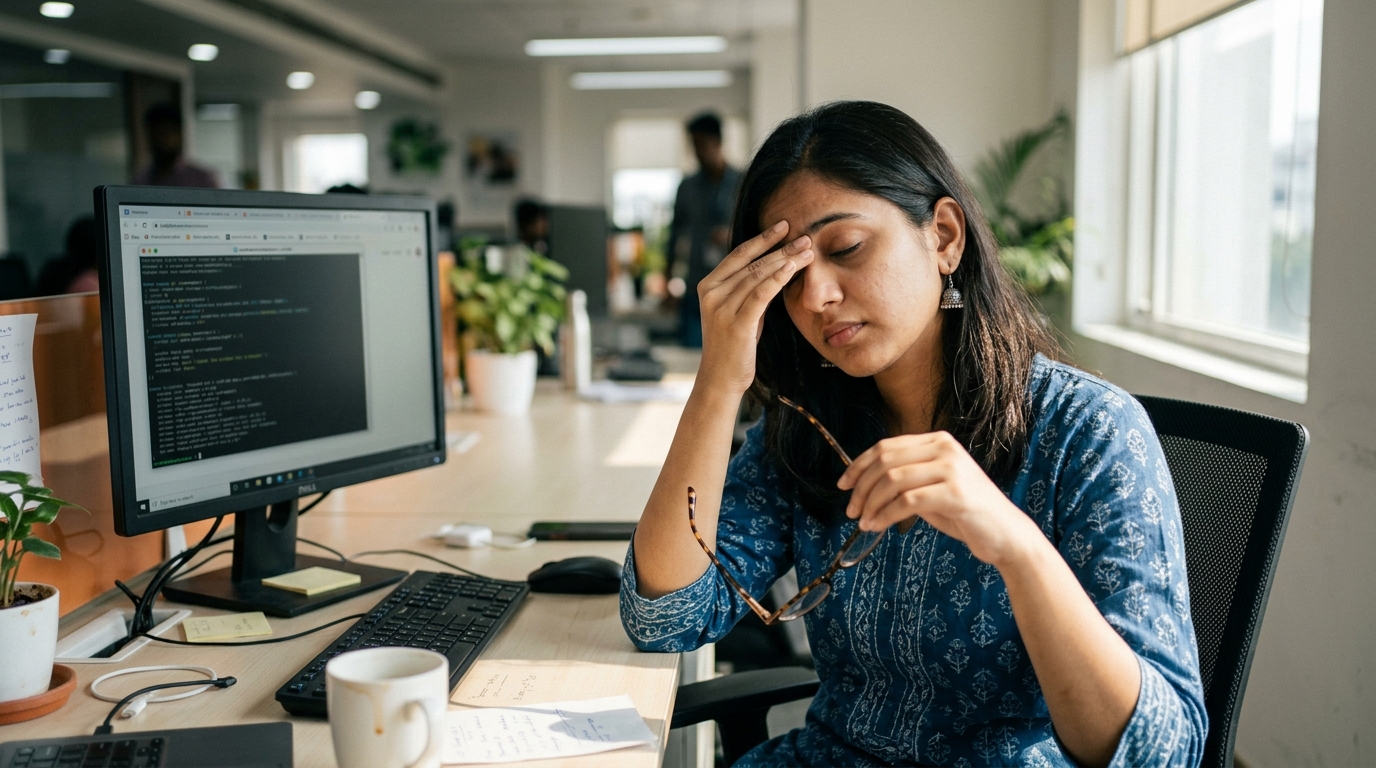
Squint eye in adults may persist from childhood or develop later due to nerve problems, thyroid eye disease, injury, or other medical conditions. Adults may experience double vision, eye strain, difficulty with daily tasks, or concerns about eye alignment.
A new or sudden squint should not be ignored, as it may indicate an underlying medical condition requiring prompt investigation.
What Are the Treatment Options for Squint?
The right squint eye treatment depends on the type and severity of misalignment, the patient's age, and the underlying cause. After a comprehensive eye examination, a specialist may recommend one or more approaches.
Prescription Glasses
Glasses can correct refractive errors, including long-sightedness, that contribute to certain types of squint. For some patients, appropriate glasses significantly improve eye alignment.
Patching and Other Therapies
Children with lazy eye may need patching or other prescribed treatment to strengthen vision in the affected eye. Specific eye exercises may help selected conditions, but they are not effective for every type of squint.
Squint Eye Surgery
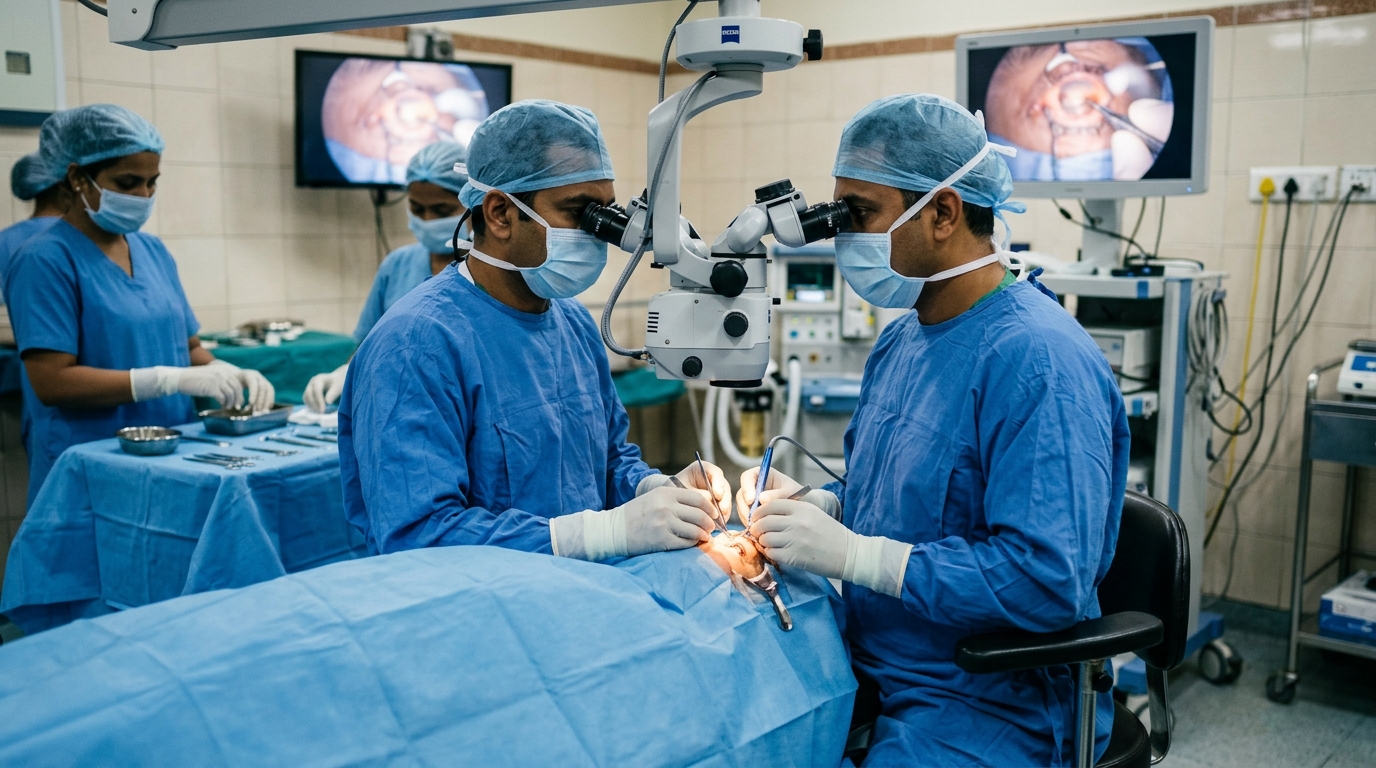
When non-surgical options are insufficient, squint eye surgery may be considered. The procedure adjusts the position or tension of the eye muscles to improve alignment. Surgery may help reduce misalignment and double vision in suitable patients, although glasses or additional treatment may still be necessary.
A qualified specialist will explain the potential benefits, limitations, risks, and expected recovery before recommending surgery.
Can Squint Be Corrected Completely?
Many patients can achieve improved eye alignment with appropriate strabismus treatment. However, outcomes depend on the underlying cause, the severity of the condition, and whether other vision problems are present. Treatment may improve alignment without eliminating the need for glasses or fully restoring binocular vision in every case.
Therefore, consulting a squint specialist is important for selecting an individualised treatment plan.
Squint Eye Treatment at Eye Vista Hospital, Ahmedabad
If you are looking for Advanced Eye Care in Ahmedabad, Eye Vista Hospital offers patient-focused eye care with an emphasis on appropriate evaluation, modern diagnostic technology, and personalised treatment planning.
Under the care of Dr. Ankit Shah, patients can seek guidance regarding eye misalignment, available treatment options, and whether further specialist assessment or surgery may be appropriate. If you are searching for the Best Eye Doctor in Ahmedabad or Eye Specialist in Ahmedabad, schedule a consultation to discuss your concerns and receive guidance suited to your eye health needs.
Book an appointment with Dr. Ankit Shah at Eye Vista Hospital today to discuss your symptoms and explore suitable treatment options.
Medical Disclaimer
This article is for educational purposes only and does not replace professional medical advice, diagnosis, or treatment. Consult a qualified ophthalmologist for individual assessment. Seek urgent medical attention for sudden eye misalignment or double vision.
Experiencing Sudden Vision Changes or Eye Pain?
Symptoms like sudden curtain-like darkness, flashes of light, an explosion of floaters, or severe persistent eye pain warrant immediate attention.
Consult Dr. Ankit Shah at Eyevista
Get accurate diagnostic care with advanced ophthalmic technology at our Paldi clinic.
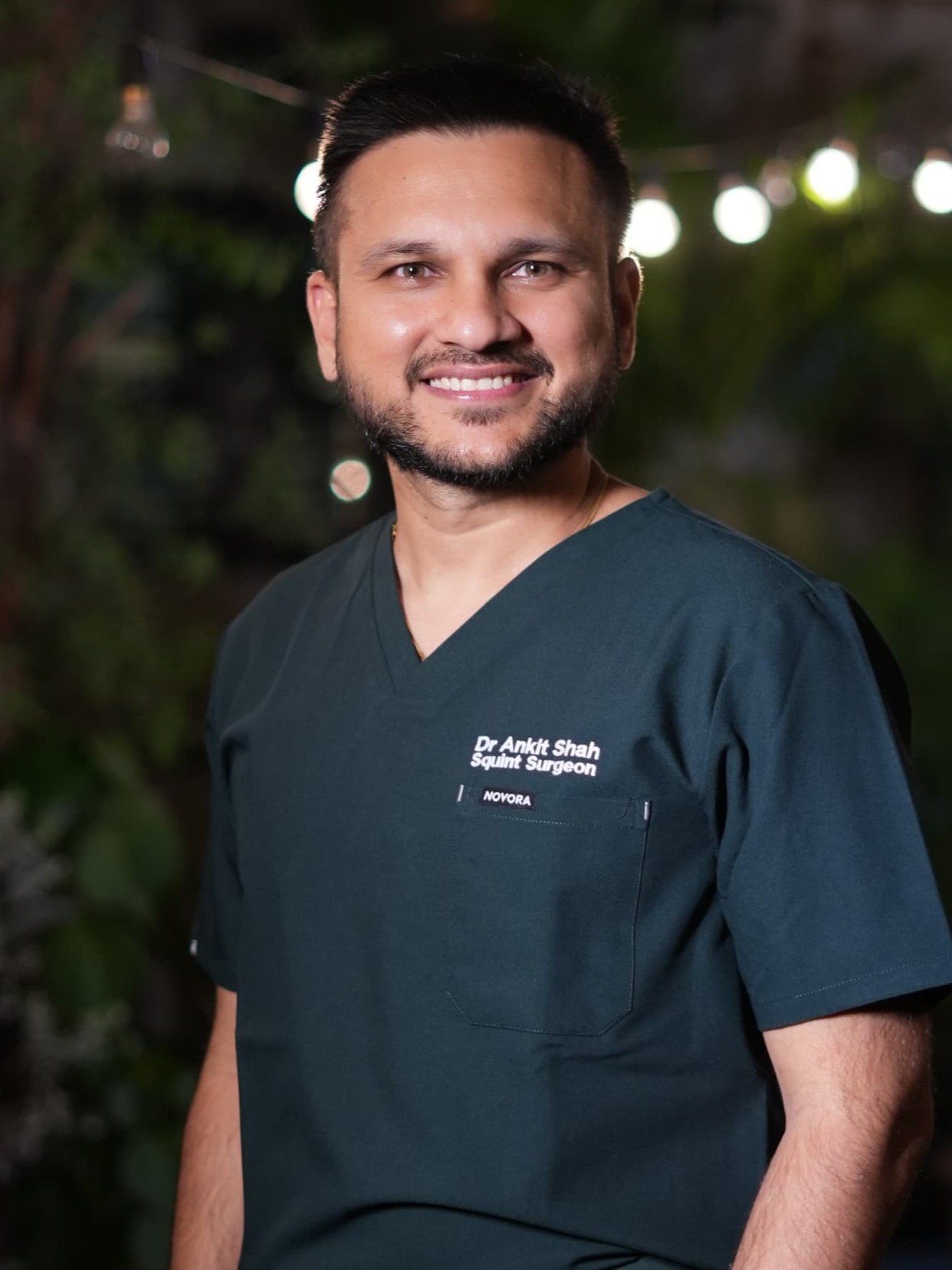
Dr. Ankit Shah
MBBS, DO, DNB, FICO (UK), Fellowship in Pediatric Ophthalmology & Strabismus
Dr. Ankit Shah is a renowned Pediatric Ophthalmologist and Squint Specialist at Eyevista Superspeciality Eye Hospital in Ahmedabad. With advanced fellowship training, he specializes in treating comple...
Clinical Conditions (Eyepedia)
Clinic Hours & Location
Monday – Saturday: 9:00 AM – 7:30 PM
Sunday: Closed (Emergency on call)
Paldi, Ahmedabad, Gujarat 380007